How to Start Drifting in the UK: A Beginner's Guide to Cars, Costs and Clubs
The best first drift car is usually the cheapest one you can find that still runs. That sounds like a contradiction, but it is the single most useful thing to know before you spend anything on this hobby. Drifting eats tyres, clutches, brake pads and rear bumpers at a rate that surprises most newcomers. What you actually need is a rear-wheel-drive car with reasonable steering lock, somewhere to slide it legally, and enough money left over for tyres.
What drifting actually asks of a car
Three things matter more than power: rear-wheel drive, a limited-slip or locked differential, and a manual gearbox with a clutch you can kick. After that comes steering lock — the more the front wheels can turn before the car runs out of angle, the longer you can hold a slide. Beyond that, a car that does not overheat, boil its brake fluid or drop its oil is worth far more than one with a big turbo.
Low grip teaches you faster than high power. A tired 1.6 MX-5 on part-worn tyres will light up third gear in the wet and let you feel exactly what the rear axle is doing. The same driver in a 350Z on sticky tyres will simply grip, understeer and learn very little. Start slow, on cheap rubber, in a car you are not frightened of.
Choosing a first rear-wheel-drive car
Shop by parts availability and rust resistance, not by badge. Sensible starting points include the Mazda MX-5 (NB and NC generations), the BMW E36 and E46 3 Series in 325i, 328i or 330i form, the Lexus IS200, the Nissan 350Z and the Toyota GT86. An older Volvo 940 or a Ford Sierra will work too, but parts and prices vary enormously.
Watch out for what enthusiasts call drift tax. A car with a drift reputation often sells for far more than an identical, less fashionable one. Buying well matters more than buying cool, and plenty of good cars sit unnoticed because nobody made a YouTube video about them.
Before you hand over any money
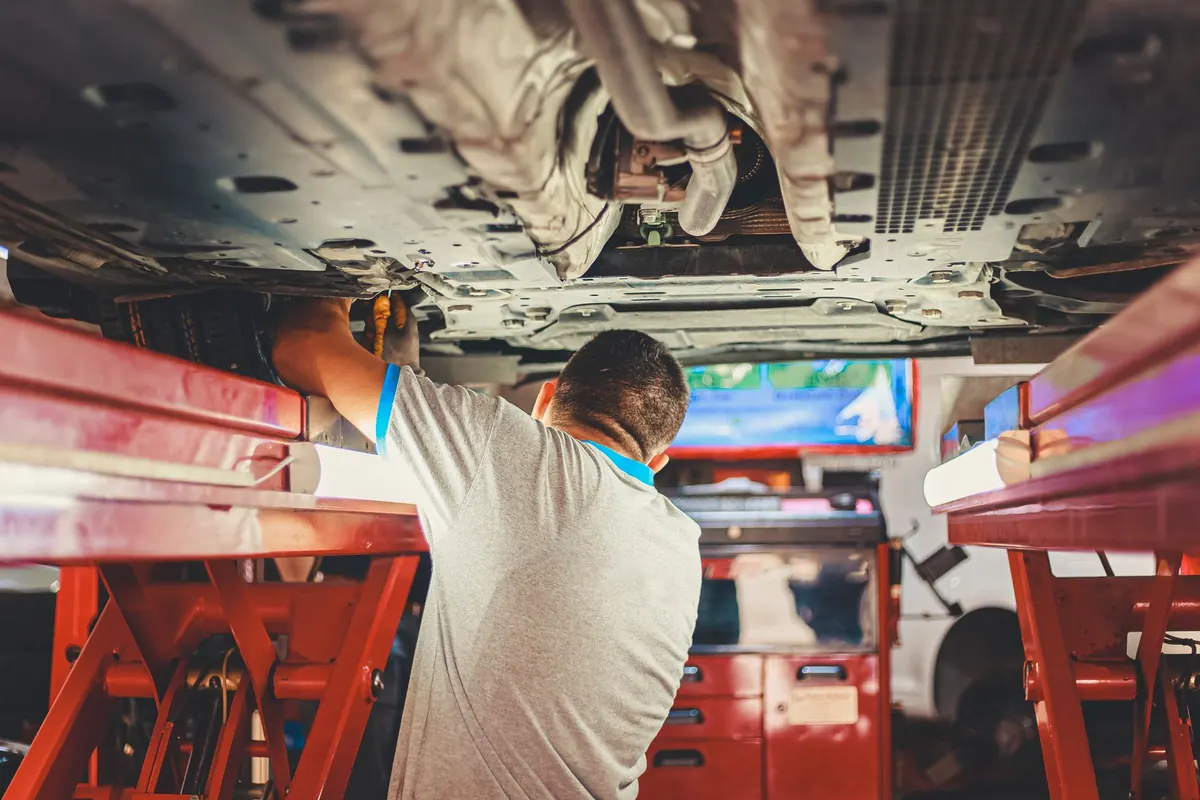
- Rust. Check sills, rear arches, boot floors, jacking points and subframe mounts. On MX-5s and E46s this is where cars die.
- MOT history. The free MOT history check on gov.uk shows past advisories, so persistent corrosion notes are a warning sign.
- Modifications. Coilovers, bucket seats and welded diffs are fine when fitted properly. Look for cut springs, taped wiring and missing heat shields.
- Crash repair. Uneven panel gaps, odd paint match and overspray in the engine bay all suggest a hard life.
- Insurance quotes before purchase, not after. Get a quote using the registration number so there are no surprises.
Staying legal: roads, insurance and venues
Drifting on a public road is not a grey area. Deliberately losing traction on the highway can lead to a careless or dangerous driving charge, penalty points and a substantial fine. Police can also issue a section 59 warning to a vehicle being used in a way that causes alarm or distress, and seize it if the behaviour continues. Save it for private land with permission.
For road use, your car needs tax, a current MOT and insurance that matches what you have actually built. Declare the coilovers, the exhaust, the seats and the welded diff. A modification you have not declared risks a void policy, which costs far more than the extra premium would have done. Speak to a broker who specialises in modified cars rather than relying on a comparison site, and if you are unsure how a change affects your cover, ask the insurer in writing before you fit it.
On track, a standard road policy almost certainly will not cover you. Separate track day cover is available from specialist providers, but read the exclusions — contact with other cars, barrier damage and mechanical failure are often excluded. Most venues ask to see a driving licence, and some allow provisional licence holders on private land while others do not, so confirm before booking. Helmets are usually compulsory and hire is not always available. Circuits also enforce static and drive-by noise limits, which means a straight-through exhaust can fail scrutineering before you have even left the paddock.
If any of this affects your finances or your licence, it is worth taking proper advice rather than relying on a forum thread.
Finding practice days and clubs
Grassroots drifting in the UK runs on airfields and circuits that hire out their tarmac. Santa Pod's Drift What Ya Brung days have long been a first stop for novices, and venues including Teesside Autodrome, Lydden Hill, Three Sisters, Blyton Park, Crail and Knockhill run regular sessions. Calendars shift, so check circuit websites and club pages directly rather than trusting an old forum post.
Search your county plus "drift practice day" and you will usually find a local group running novice-friendly afternoons at a sensible price. Look for sessions that separate beginners from experienced drivers; being on track with twenty fast cars when you are learning is intimidating and unproductive.
Your first day: what to do and what to pack
- Go and watch once before you drive. Ask people about their setups, and take any passenger ride offered.
- Book a beginner or novice session, ideally with instruction available on the day.
- Bring a second pair of rear wheels with part-worn tyres, a jack, a wheel brace, a torque wrench, oil, coolant, cable ties and a tyre pressure gauge.
- Take water, food and a chair. You will spend a lot of time waiting.
- Check the venue's rules on helmets, roll cages and noise levels in advance.
Running costs and the reality check
Tyres are the biggest repeating cost, so make friends with a local tyre shop and buy part-worn rears in bulk. After that come entry fees, fuel, transport and consumables — brake pads, clutch, diff oil and the occasional welded repair. Prices vary widely by region and venue, so price up a few days before committing to a season.
Be honest about whether the car is your daily. If it is, accept that it will collect scrapes and kerb marks, and that a broken diff on a Sunday means no commute on Monday. A cheap second car, or at least a realistic repair fund, removes most of the stress.
Your first steps this month
Set a total budget and split it: roughly two thirds for the car, a third for tyres, entry fees and repairs. Get insurance quotes on any car you are serious about before you view it. Buy something mechanically sound and structurally solid, even if it looks tired. Then book one novice practice day, take a mate, and spend the afternoon learning what a clutch kick actually feels like.
You will be slow, you will spin, and you will probably end up backwards in a gravel trap. That is the process. Keep the car legal, keep the sessions short, and listen to the people who have been doing it for years — the drift community is unusually generous with help, as long as you are not the one holding everyone up in the pit lane.
Photo: Pexels / Pixabay